Eating involves many steps: bringing food to the mouth, closing the lips, chewing or moving liquid around, and finally swallowing. Most of us occasionally struggle with a tough bite or a sip that "goes down the wrong way". People with a swallowing disorder, called dysphagia (dis-FAY-juh), face these problems often.
Our speech therapists (speech-language pathologists) assess and treat swallowing and feeding difficulties in adults and children. The aim is safe, comfortable eating, so that meals with family become enjoyable again.
How swallowing works
Swallowing happens in three phases, and problems can occur in any of them:
- In the oral phase, we suck, chew and move food or liquid in the mouth towards the throat.
- In the pharyngeal phase, the swallow begins and food moves down the throat. The airway must close so that food or liquid does not enter it and cause coughing or choking.
- In the oesophageal phase, the oesophagus (the tube from the throat to the stomach) opens, closes and squeezes food down. Problems here, or conditions such as acid reflux, can cause food to stick or lead to frequent vomiting.
Swallowing difficulties in adults
In adults, dysphagia may result from neurological conditions, changes after surgery, or muscle weakness with age.
Assessment
The therapist discusses your symptoms, reviews your medical history and carries out a clinical bedside assessment. When more detail is needed, we refer you for a swallowing study such as videofluoroscopy (a barium swallow X-ray that shows food moving through the mouth, throat and oesophagus) or an endoscopic evaluation.
Therapy
Your treatment plan depends on the cause. It may include:
- exercises to strengthen the tongue (lingual resistance) and the swallowing muscles
- swallowing techniques that protect the airway, such as effortful and super-supraglottic swallows
- custom oral devices, such as removable palatal plates, to improve lip and tongue coordination
- thickeners to make liquids easier to swallow
- eating and drinking slowly, and adjusting posture while swallowing
- clearing the throat if food feels stuck
- advice on healthy eating related to the condition causing dysphagia
Safety always comes first: we protect your airway before working on speed and efficiency.
VitalStim therapy
Our dysphagia programme includes VitalStim, a form of neuromuscular electrical stimulation (NMES) used to strengthen the swallowing muscles and improve swallowing function.
Family involvement
We train caregivers in safe feeding techniques and mealtime set-up, so that home routines support therapy.
Feeding and swallowing difficulties in children
Feeding and swallowing problems can affect a child's health, learning and social life. Feeding disorders include difficulty sucking, using a spoon, chewing or drinking from a cup. Swallowing disorders affect how food or liquid moves from the mouth to the stomach. These problems often occur alongside other medical conditions, but can also happen on their own.
Signs to watch for
- coughing during meals
- very long mealtimes
- refusing certain textures
How we help
- a full evaluation: we observe feeding, check the mouth's structure and movement, and review the medical history to find the cause
- a personal feeding plan for latching, sucking, swallowing, oral motor coordination and accepting different textures
- positioning and feeding methods that make feeding comfortable and safe, and help the child coordinate sucking and swallowing
- oral motor exercises to build strength and control in the mouth, tongue and jaw
- safe swallowing strategies that reduce the risk of choking or food entering the airway
- sensory support that gradually builds tolerance of new textures, flavours and temperatures
- help for children to show their preferences and discomfort at mealtimes
- coaching for families in managing feeding at home and elsewhere.
Sessions last 30 to 45 minutes, with plenty of play. Bring the foods and drinks your child usually has, so you can practise with them. When needed, we work with paediatric dietitians to make sure your child's nutritional needs are met.
Speech and swallowing after oral cancer
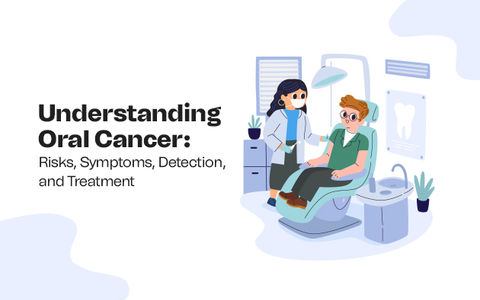
Oral cancer can affect the lips, tongue, gums, cheeks or jaw. The cancer and its treatment (surgery, radiation therapy, chemotherapy or immunotherapy) can change how the mouth moves, which affects speech, chewing and swallowing.
A speech therapist supports you as you adapt to these changes:
- For speech, techniques to make speech clearer despite changes in the mouth.
- For swallowing, diet changes, new head positions and exercises such as effortful swallows and the Mendelsohn manoeuvre, chosen to suit your anatomy and swallowing study results.
- For dry mouth and stiffness, hydration strategies and stretches to manage dryness and keep the mouth mobile. Therapy cannot reverse the tissue changes themselves.
- After surgery, the therapist works with medical and dental professionals on ways to replace parts of the mouth that were removed, to help speaking and swallowing.
Therapy usually starts once you are medically cleared, often four to six weeks after treatment. We stay in touch with your oncologist and dietitian so that therapy fits your overall care plan.
How often therapy happens
Sessions are usually two to three times a week at first, reducing to maintenance visits as you progress. Most sessions are one to one so that therapy fits your needs.